

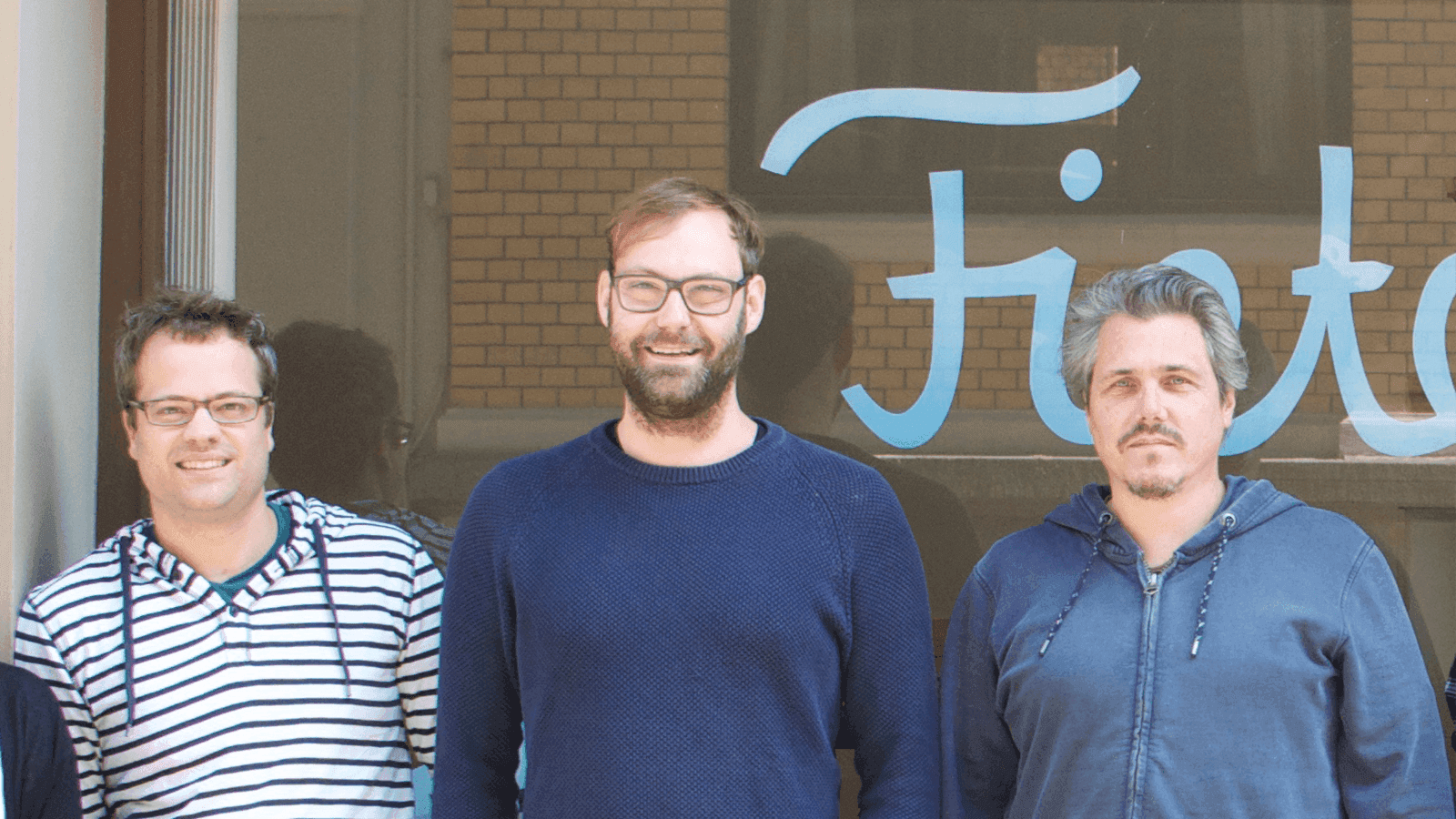
About Us
When you pick up a good children’s book, you can tell right away: this was made with love. Since 2014, we’ve been developing digital toys with exactly this mindset. For children who are curious to discover the world. And for parents who want to guide them safely along the way.
How it all began
When we became parents ourselves, we often sat in the evenings with beautiful children’s books on our laps. Lovingly illustrated stories where you can tell right away: Someone really put a lot of thought into this to do something good for children.
That’s exactly the quality we felt was missing from digital offerings for children. We often found that games for young children were too loud, too overstimulating, and designed to be addictive.

That’s why we founded Ahoiii. From the very beginning, our goal has been to create digital toys with the same care and warmth you find in good children’s books.
Understanding instead of memorization
Children learn about the world through play. So what could be more natural than using play to help them understand the world?
Game design is learning design
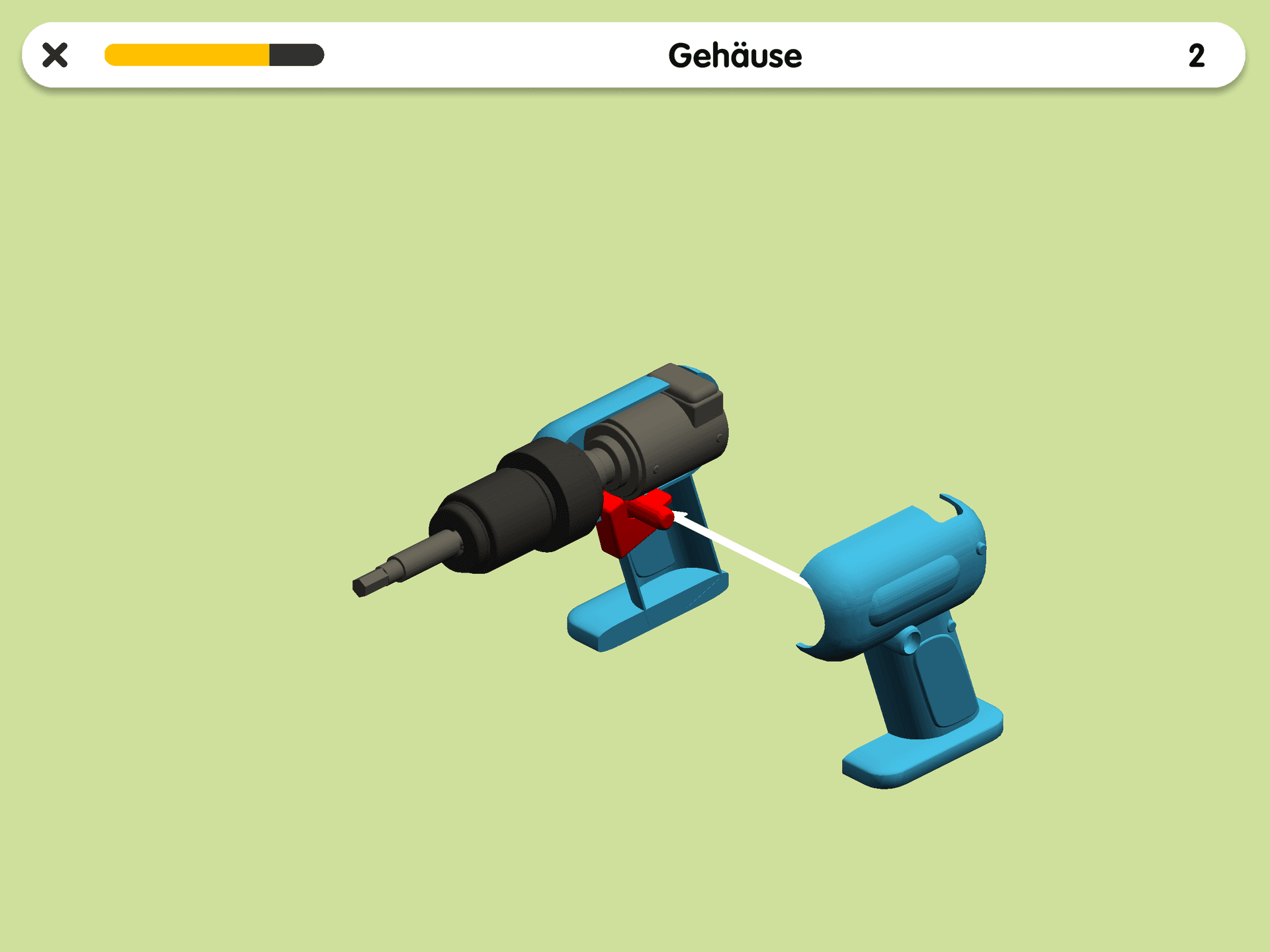
Almost every child plays video games these days. To us, it’s clear: the future of learning could look like a good game, because well-thought-out game design is also good learning design.
That is why we focus on conceptual understanding. Digital toys offer a wonderful way to help children grasp complex relationships and interactions within a system. In this way, games intuitively foster systemic thinking.
Learning to foster a healthy culture of error
There’s that moment all parents know: a child tries something, fails again and again—and eventually succeeds. The proud smile that follows is unforgettable.
Our digital toys provide exactly this kind of safe space. When a child makes a mistake here, there are no red X’s or loud error sounds. There’s no frustration—just a gentle invitation to simply try again in a different way.
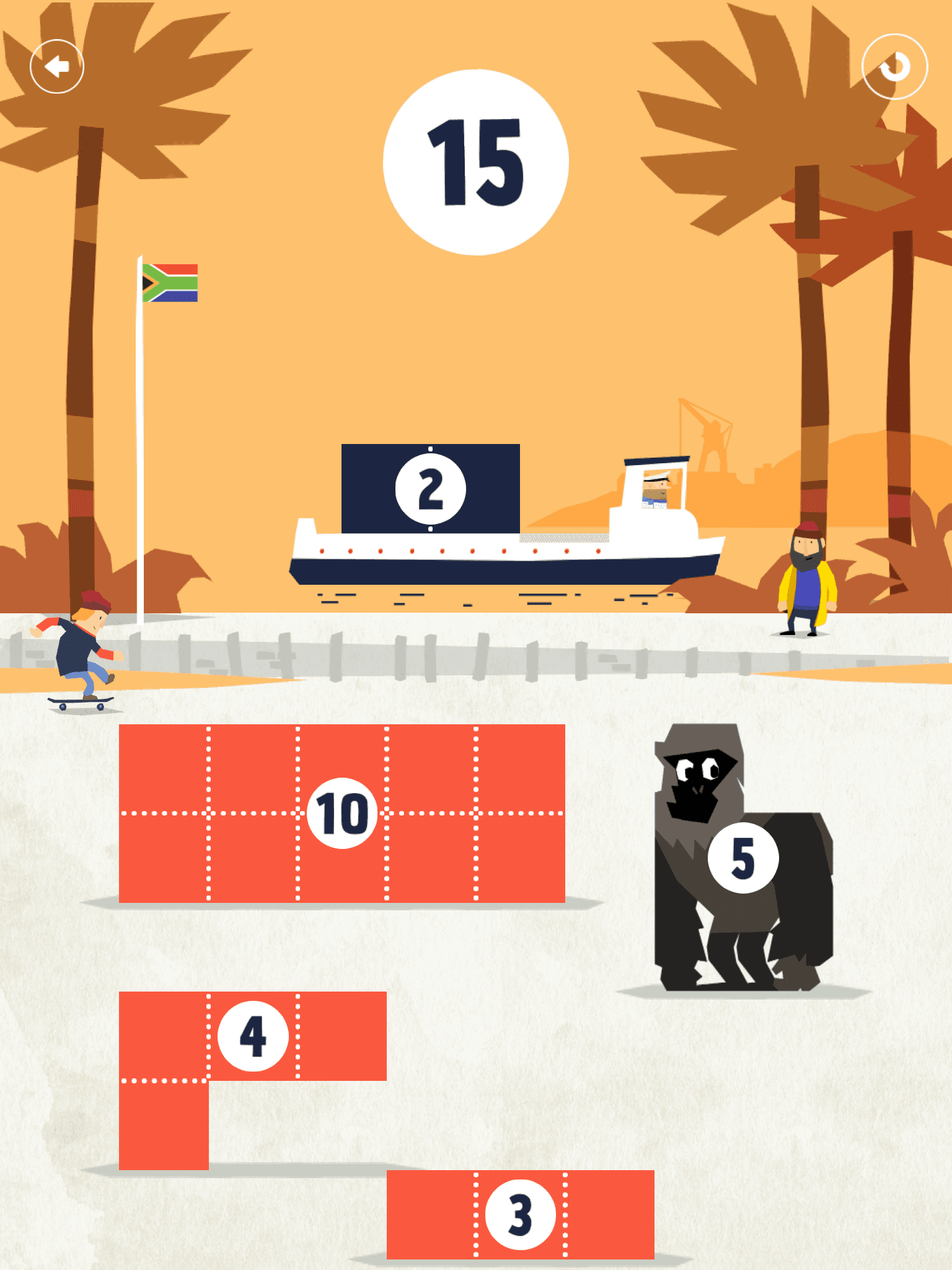
Through play, children learn to view failure as a challenge. In the process, they develop a healthy tolerance for frustration and, along the way, become confident problem-solvers.
Resilience for the World of Tomorrow
Our children will grow up in a rapidly changing society. Many of the jobs they will have in the future don’t even exist yet. What they will really need is the ability to think creatively, collaborate with others, and find unconventional solutions.
We want to give children the tools they need to think outside the box and play a bold role in shaping the world of tomorrow.
We think of the child who understands a concept for the first time and cheers with joy. And of the many parents who write to us saying that our apps have become a constant, reliable companion throughout their child’s childhood.
Our Approach
By parents, for parents
We are parents ourselves—and that’s exactly how we work. So in everything we do, we’re guided by one simple question: Would we give this to our own children?
About the child
Children are little individuals with their own thoughts, feelings, needs, and boundaries. That is why we treat them with respect, patience, and genuine care. We do not want to restrict children, overwhelm them, or push them in a certain direction, but rather provide them with a loving space where they are free to be curious, experiment, fail, laugh, and learn. For us, good children’s apps don’t start with the question of how long a child plays, but with the question of what is good for them.
