Fiete Match
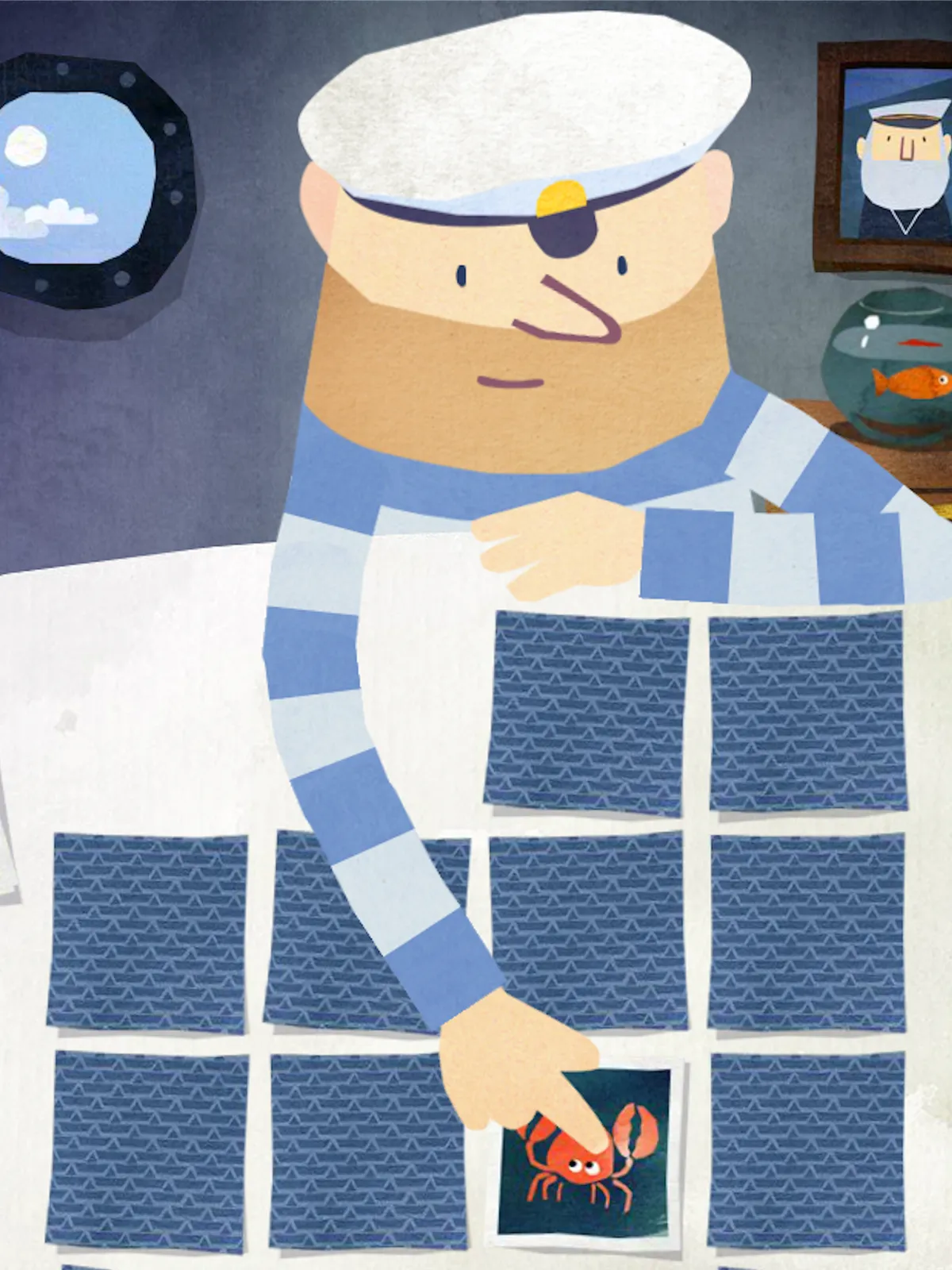
Fiete Match is a memory game with a real opponent: Fiete himself. He sits at the table with you, reaches for the cards, gets excited when he finds a pair, and gets frustrated when he loses. Behind each porthole of his lighthouse, a different set of cards awaits—ranging from sea creatures to simple math problems. A hand-painted game that trains memory and thinking skills.
Can you beat a real sea dog in Memo?
Why did we make the game?
Memory games never get old. But they’re most fun when played with someone who shares in the excitement. That’s why we made Fiete a fellow player: He shows emotions, he wins and loses, and when a child takes a long time to decide, he even gets tired sometimes. This way, children learn—without even realizing it—how to win fairly and lose gracefully.
Rules of the Game
The child and Fiete take turns turning over two cards. Whoever finds a pair gets to keep it and draw another card. Whoever has the most pairs at the end wins. You can adjust how many cards are on the table and how well Fiete plays. The higher the floor in the lighthouse, the trickier the pairs become.
What makes it special?
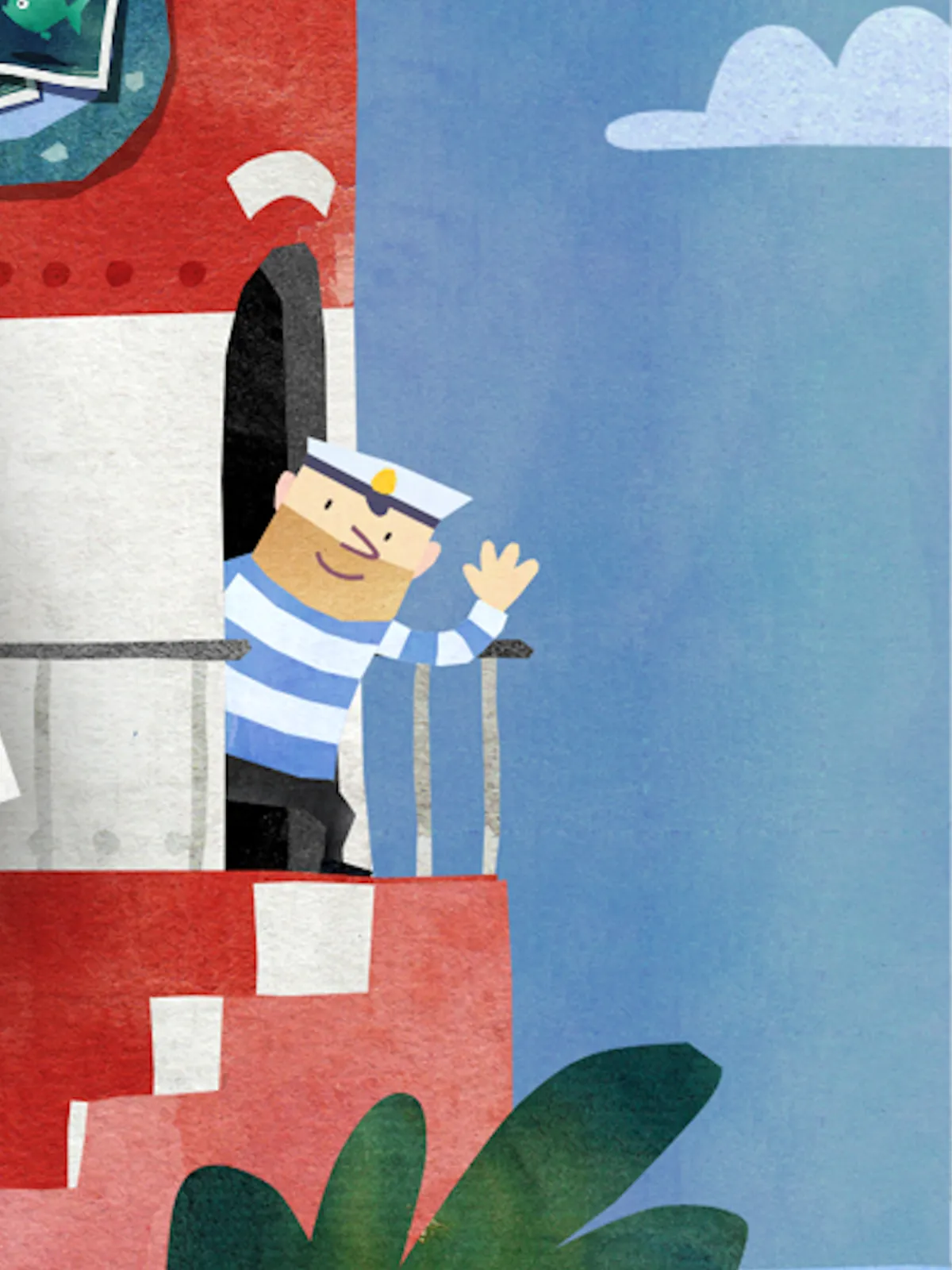
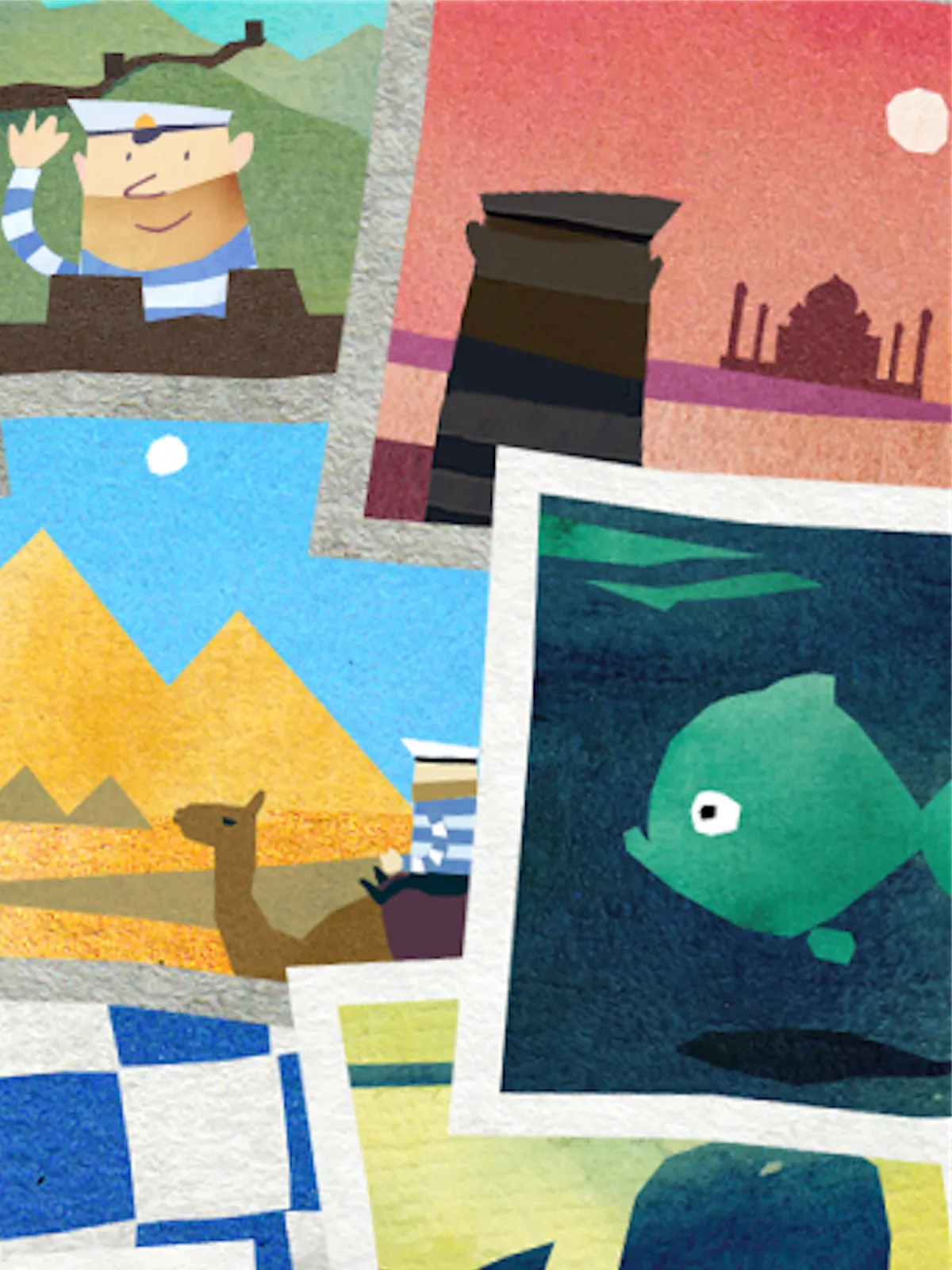
Fiete Match is hand-painted and full of fun animations. Six sets of cards build on one another: In the "Sea Animals" set, children match identical pictures; in the "Marine Flags" set, they match abstract patterns. Later, the game pairs pictures with symbols, vehicles with their places of use, quantities with numbers, and simple addition problems up to 10. The game was named Best Educational Game at the German Developer Awards in 2013.
What Your Child Learns While Playing
Memory capacity
Where was the whale again? Kids memorize images and their locations, training their memory a little more with each round.
Logical Thinking and Abstraction
In the later card sets, it’s not identical pictures that go together, but things that belong together: a picture and a symbol, a set and a number. Children learn to recognize connections.
First Numbers and Arithmetic
In the “Pictures and Numbers” set, children match quantities to the corresponding numbers; in the “Math” set, they solve simple addition problems up to 10.
Empathy and Fairness
Fiete's happy when he wins and disappointed when he loses. Children get a sense of how the other person is feeling and learn how to deal with winning and losing.
Only in 
Fiete Match
The memory game against Fiete himself